
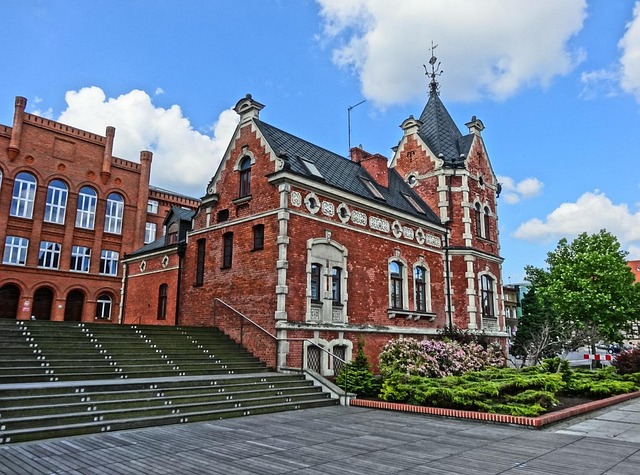

Mannerism, a style that emerged in the late Renaissance, is characterized by a deliberate departure from the balanced harmony and naturalism that defined earlier artistic periods. Its practitioners favored elongated proportions, exaggerated poses, and complex compositions that challenged conventional perspectives. By manipulating line, color, and form, they introduced a heightened sense of tension and sophistication into their work, reflecting both personal expression and the broader cultural shifts of the time.
Stylistic Features of Mannerism
The core of Mannerist painting lies in the conscious distortion of the human figure. Artists elongated limbs, accentuated necks, and stretched faces to create a graceful yet uncanny appearance. This technique was not merely decorative; it served to convey psychological depth, hinting at inner conflict or divine transcendence.
- Elongation: Exaggerated proportions give figures an ethereal quality.
- Complex Composition: Intersecting lines and crowded arrangements generate dynamic movement.
- Color Manipulation: Use of artificial hues and intense contrasts enhances emotional impact.
Another hallmark is the use of artificiality. Rather than striving for objective realism, Mannerist painters crafted compositions that felt intentionally stylized. This choice emphasized the artist’s role as an interpreter, shaping reality through a subjective lens.
Influence of Cultural Context
During the transition from the High Renaissance to the early Baroque, Europe faced political upheavals, religious reformations, and scientific discoveries. These events fostered a climate of uncertainty and introspection, encouraging artists to explore new modes of representation. Mannerism emerged as a response to these cultural currents, reflecting a society in search of meaning beyond the established order.
“The world is no longer simply a reflection of nature, but an arena where ideas contest the limits of perception.” – Anonymous
Religious themes were reinterpreted through a lens of emotional intensity, allowing artists to convey spiritual narratives in a more visceral manner. The stylistic choices of Mannerism thus echoed the era’s quest for identity amid shifting paradigms.
Key Artists and Their Contributions
Italian masters such as Pontormo, Bronzino, and Rosso Fiorentino pioneered the movement’s distinctive aesthetics. Their works showcased a refined mastery of color and composition, while also pushing the boundaries of traditional forms. Pontormo’s “The Deposition” demonstrates how the distortion of bodies can heighten dramatic tension, while Bronzino’s portraiture exemplifies the era’s penchant for aristocratic elegance combined with subtle psychological depth.
Across the continent, artists like El Greco and the Dutch painter Pieter de Hooch adapted Mannerist principles to local traditions. El Greco’s elongated figures and dramatic chiaroscuro infused his religious scenes with an otherworldly aura, whereas de Hooch’s domestic interiors revealed a nuanced understanding of spatial complexity and light interplay.
Evolution Within Painting
As Mannerism progressed, its influence permeated various genres, from religious altarpieces to secular portraiture and landscape. Artists began to experiment with elongated architecture, twisting drapery, and asymmetrical arrangements that challenged viewers’ expectations.
- Integration of architectural elements that appear both grand and precarious, creating an unsettling sense of balance.
- Use of color palettes that depart from naturalistic tones, favoring more symbolic or expressive hues.
This evolution led to a richer visual language, in which the artist’s skill was showcased not only through technical execution but also through conceptual daring.
Mannerism’s Lasting Cultural Impact
The stylistic innovations introduced by Mannerist painters had a ripple effect beyond the realm of visual art. Their emphasis on individuality, emotional nuance, and symbolic complexity resonated with literary movements, influencing contemporary writers and poets who sought to capture the intricacies of human experience.
Moreover, the era’s artistic dialogues contributed to the development of early modern thought, laying groundwork for later philosophical inquiries into the nature of beauty, representation, and perception. The legacy of Mannerism is evident in the continued exploration of form and meaning that characterizes modern and contemporary art.
Conclusion of a Distinctive Period
Mannerism stands as a testament to a pivotal moment in artistic history, where the pursuit of expressive authenticity intersected with the complexities of societal change. Its distinctive visual language, underscored by intentional distortion and heightened emotional content, reflects an era’s yearning to move beyond the constraints of conventional representation. The movement’s enduring influence demonstrates how art can capture the shifting currents of cultural consciousness, ensuring its relevance for future generations.